Line Color Lily: A Modern Floral Design Asset for Wedding Decoration
Creating a cohesive brand identity or a memorable wedding theme requires more than just a good idea; it demands high-quality design assets that bridge the gap between imagination and reality. The Line Color Lily collection represents a specific style of modern typography in the visual arts—clean, structured, yet inherently organic. It is not merely a set of images; it is a versatile toolkit for designers, entrepreneurs, and crafters who need professional-grade vector and raster graphics to elevate their projects.
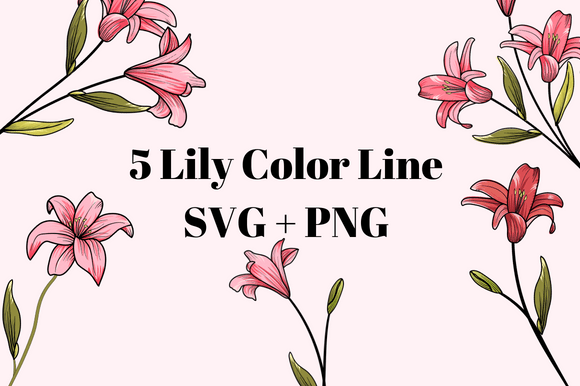
At its core, this collection focuses on the lily, a flower often associated with purity and renewal, making it a staple in wedding decoration and celebratory stationery. However, the "Line Color" style sets these illustrations apart. Unlike heavy, filled-in botanical sketches, these graphics utilize distinct linework combined with subtle color fills. This approach creates a delicate balance, allowing the design to feel airy and sophisticated without getting lost in the background. It is a style that speaks to modern typography and contemporary aesthetics, moving away from overly ornate Victorian florals toward a cleaner, more graphic look.
Visual Characteristics and Aesthetic Appeal
The defining feature of the Line Color Lily is its lace border integration and intricate line definition. The illustrations are designed to be self-contained yet harmonious. The linework provides the structure, while the color elements add depth. This duality is essential for editorial design and packaging design, where clarity is paramount. A heavy, opaque floral element can sometimes overwhelm a layout, but the transparency and lightness of line art allow text and other design assets to coexist peacefully.
For those working on brand identity, consistency is key. The Line Color Lily collection offers a unified visual language. Whether you are designing a logo for a boutique hotel or creating social media graphics for a florist, the consistent line weight ensures that every touchpoint looks intentional. This is particularly useful for small business owners who need to maintain a professional appearance across multiple platforms without the budget for a full-service agency.
Practical Applications: From Digital to Print
The utility of this collection spans a wide array of mediums, making it a true workhorse in a designer's library. The ability to create a seamless pattern is one of the most valuable features. By arranging the lilies and their accompanying lace borders, you can generate background textures for websites, wedding invitations, or textile prints. This scalability is a hallmark of professional design assets.
Digital and Print Media
In the realm of web design and digital marketing, the PNG and SVG formats provide flexibility. The PNG files, rendered at 300 dpi, are perfect for high-resolution displays and immediate use in software like Photoshop or Corel Draw. The "drag and drop" nature of these files streamlines the workflow for content creators who need to produce social media graphics quickly. Imagine creating a series of Instagram posts for a wedding planner; the Line Color Lily allows for rapid assembly while maintaining high visual standards.
For print applications, the quality remains uncompromised. Whether it is packaging design for a beauty product or editorial design for a lifestyle magazine, the 300 dpi resolution ensures crisp edges. The SVG files are particularly useful here. As vector graphics, they can be scaled to any size—from a small sticker to a large wall art installation—without pixelation. This is crucial for merchandise like tote bags or mugs, where the image might wrap around a curved surface or be printed at varying dimensions.
Product Customization and Crafting
The collection is explicitly designed to bridge the gap between digital design and physical products. The mention of "clothes, Mug, totebag, card" highlights the commercial viability of these assets. For entrepreneurs running print-on-demand businesses, having a library of high-quality, scalable graphics is a competitive advantage. The Line Color Lily aesthetic appeals to a broad demographic, fitting well into the "boho," "rustic," or "garden party" themes that are currently trending in the wedding and lifestyle markets.
Furthermore, the inclusion of a lace border adds a layer of texture that mimics physical craft materials. In scrapbooking or card making, this digital "lace" can save hours of manual work while providing a realistic tactile appearance. It allows hobbyists to achieve a professional finish that might otherwise require specialized equipment or expensive physical materials.
Technical Specifications and Workflow Integration
Understanding the file formats is essential for maximizing the value of the Line Color Lily. The collection includes both PNG and SVG formats, catering to different software environments and use cases.
- PNG Files: These are raster images, meaning they are composed of pixels. At 300 dpi (dots per inch), they are print-ready and suitable for most standard applications. They work seamlessly with MS Word, making them accessible to non-designers who need to create professional-looking documents or invitations. They are also fully compatible with advanced graphics software like Photoshop, Illustrator, Corel Draw, and Affinity Designer.
- SVG Files: Standing for Scalable Vector Graphics, these files are the gold standard for modern typography and illustration. Because they are based on mathematical equations rather than pixels, they can be resized infinitely. For a designer working on a logo design or a large-format banner, SVG files ensure that the Line Color Lily remains sharp and clear at any scale. Additionally, vector files allow for easy color adjustments, enabling you to match the lilies to a specific brand palette.
Strategic Value for Designers and Creators
For marketers and brand strategists, the choice of visual assets directly influences audience engagement. The Line Color Lily style is versatile enough to serve as a background element that supports the message, or as a focal point in minimalist designs. Its inherent elegance makes it suitable for luxury branding, while its clean lines keep it from feeling stuffy or outdated.
When evaluating a project fit, consider the visual hierarchy. The Line Color Lily works best when it complements the typography rather than competing with it. Pairing it with a clean sans serif font can create a modern, high-contrast look, while using it alongside a script font can enhance a romantic, whimsical vibe. This flexibility in font pairing is what separates a good design from a great one.
It is also worth noting the licensing aspect. The "All rights by © SW Desain" notation suggests a standard commercial license, which is typical for such premium font and asset marketplaces. This allows content creators and small business owners to use the assets in commercial products—such as the mugs and tote bags mentioned—without legal ambiguity. Always reviewing the specific license terms is a best practice, but these collections are generally structured to support business growth.
Conclusion
The Line Color Lily collection is more than just a set of floral drawings; it is a strategic resource for anyone involved in visual communication. By combining the timeless appeal of the lily with the precision of line art and the flexibility of modern file formats, it empowers users to create everything from wedding decorations to brand identity systems. Whether you are a seasoned designer looking for fresh assets or a crafter aiming to professionalize your output, the blend of aesthetic appeal and technical utility makes this a valuable addition to your creative toolkit.